Back to School Anxiety: How Parents & Students Can See a GP Online This Week
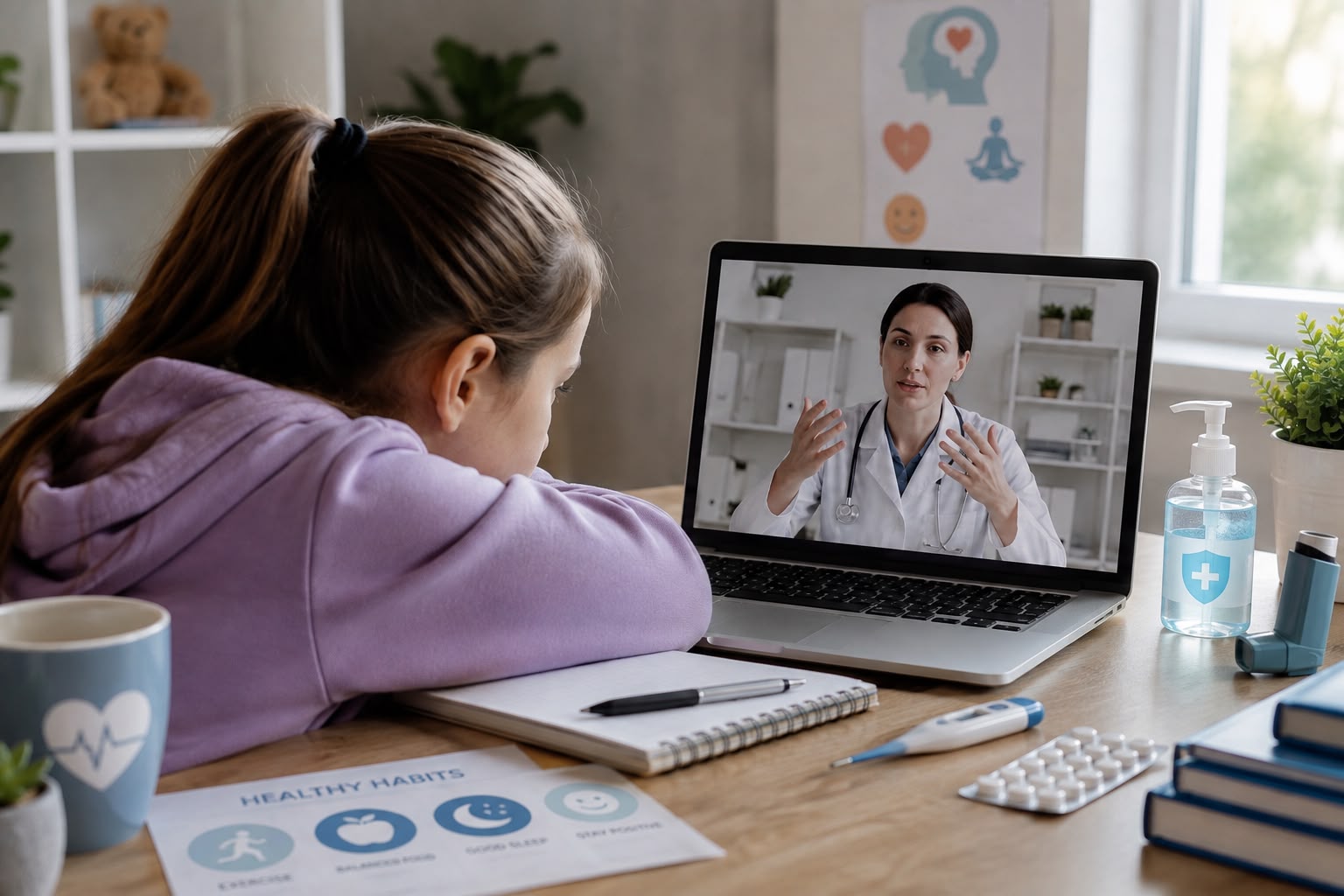
The return to school can be an exciting time, but for some children and teenagers, it can also bring worry, stress and anxiety. A new school year may mean a new classroom, unfamiliar teachers, academic pressure, exams, friendship concerns, bullying, separation from parents or worries about fitting in. For some students, these concerns may settle after a few days. For others, anxiety can continue and begin affecting sleep, school attendance, friendships, family life and overall wellbeing. For parents, it can be difficult to know whether their child’s worries are simply normal back-to-school nerves or whether professional support may be appropriate.
The good news is that families in Ireland have options for accessing medical advice. An online GP consultation can provide a convenient way to discuss health concerns from home, particularly when parents are busy preparing children for a new school year. With GpLine, families can access online GP consultations with Irish Medical Council-registered doctors. You can explore our online GP services : https://www.gpline.ie/services to understand what support may be available.
What Is Back-to-School Anxiety?
Feeling nervous about returning to school does not necessarily mean that a child has an anxiety disorder.
The HSE explains that it is normal for children to feel worried or anxious from time to time, including during significant changes such as starting school or preschool. Anxiety becomes more concerning when it persists, becomes difficult to manage or begins interfering with everyday life.
Back-to-school anxiety may involve worries about:
* Starting a new school
* Moving from primary to secondary school
* Returning after a long holiday
* Meeting new teachers
* Making friends
* Bullying or social pressure
* Exams and academic performance
* Homework and deadlines
* Speaking in front of the class
* Separation from parents
* Body image
* Future education or career choices
* Feeling different from classmates
Some children may openly say they are anxious. Others may not have the words to explain what they are experiencing. Instead, parents may notice changes in behaviour or physical symptoms.
How Common Is Anxiety Among Children and Teenagers?
Mental health and wellbeing among young people remain important public-health priorities in Ireland. The Health Behaviour in School-aged Children (HBSC) study has collected information about the health and wellbeing of school-aged children in Ireland for many years. In 2025, Ireland’s Department of Health highlighted the extensive contribution of HBSC Ireland, with more than 70,000 children participating in the study since it began in Ireland.
The Irish Government has also increased its focus on mental health and wellbeing within schools. In 2025, the Department of Education launched Neart, a national programme designed to support mental health and wellbeing in post-primary schools. These initiatives highlight why recognising emotional and mental-health concerns early can be important. It is also important to remember that feeling anxious does not automatically mean a child has a mental-health disorder.
Normal Back-to-School Nerves vs Anxiety That Needs Support
One of the most common questions parents ask is:
“How do I know whether my child’s school anxiety is serious?”
There is no single symptom that provides the answer. Instead, parents should consider the overall pattern.
Normal back-to-school nerves A child may:
* Feel nervous before the first day
* Have butterflies in their stomach
* Ask lots of questions about their new teacher
* Feel shy about meeting classmates
* Worry about making friends
* Feel unsettled for a short period
* Become more comfortable once school starts
These feelings may improve as the child becomes familiar with their new routine.
Signs that anxiety may need professional support
Parents should consider talking to a GP if anxiety is persistent, worsening or affecting everyday activities.
Possible warning signs include:
* Persistent worrying
* Frequent crying
* Irritability
* Difficulty concentrating
* Problems sleeping
* Nightmares
* Changes in appetite
* Frequent headaches
* Repeated stomach aches
* Feeling sick before school
* Avoiding school
* Asking to stay home frequently
* Panic symptoms
* Withdrawal from friends
* Loss of interest in activities
* Significant changes in behaviour
The HSE recommends seeking help when anxiety does not improve, becomes worse or begins affecting school, family life or friendships.
Why Can Anxiety Cause Physical Symptoms?
Parents sometimes assume that a child complaining about headaches, stomach pain or feeling sick before school is simply trying to avoid attending. However, anxiety can produce genuine physical symptoms.
When the body responds to stress, children may experience symptoms such as:
* Increased heart rate
* Sweating
* Shaking
* Muscle tension
* Headaches
* Stomach discomfort
* Nausea
* Difficulty sleeping
* Fatigue
* Changes in appetite
This is one reason speaking with a GP can be helpful. A doctor can listen to the child’s symptoms, consider their medical history and determine whether further assessment may be appropriate.
However, parents should avoid assuming that every physical symptom is caused by anxiety. Persistent, severe or unusual symptoms should be medically assessed
Why Should Parents Speak to a GP About School Anxiety?
A GP can be an important first point of contact when anxiety begins interfering with a child’s wellbeing.
The HSE states that a GP can assess anxiety and, depending on the situation, recommend appropriate support or referral. For some children with mild-to-moderate anxiety, this may involve referral to local primary-care psychology services. In more complex or severe situations, specialist services may be considered.
A GP consultation can help parents understand:
* What may be contributing to the symptoms
* Whether physical symptoms need further assessment
* Whether additional mental-health support may be appropriate
* Whether referral is needed
* What practical steps can be taken at home
* Whether follow-up care is recommended
The purpose of speaking to a GP is not necessarily to give a child a diagnosis or medication. Sometimes the first step is simply understanding what is happening
Can Parents See a GP Online for a Child?
An online GP appointment can be a convenient option for parents who want to discuss a child’s health concern from home. GpLine offers online GP consultations and provides access to doctors registered with the Irish Medical Council.
Before booking, parents can review the different online GP services available through https://www.gpline.ie/services and determine whether an online consultation may be suitable for their concern.
For children and teenagers, the suitability of an online consultation depends on the individual circumstances. Some concerns can be assessed effectively through a remote consultation. Other conditions may require a physical examination, testing or face-to-face assessment. If an online GP believes that the child needs in-person care, they can advise the parent or patient about the appropriate next step.
What Happens During an Online GP Consultation?
Parents may wonder what to expect when arranging an online GP consultation for a child. The process is designed to be straightforward.
1. Book your appointment
The parent or patient provides the relevant information and selects an available appointment.
You can book an online GP appointment with https://www.gpline.ie/book-appointment and provide the information needed for the consultation.
2. Speak with the GP
The consultation takes place remotely. For younger children, a parent or guardian can help explain the symptoms and relevant medical history. Older children and teenagers may be able to explain their concerns directly to the doctor, depending on their age and circumstances.
3. Discuss the symptoms
The GP may ask questions about:
* When the anxiety started
* How often it occurs
* Whether school attendance is affected
* Sleep
* Appetite
* Mood
* Physical symptoms
* Family circumstances
* School-related concerns
* Friendships
* Bullying
* Previous health problems
* Current medication
4. Receive appropriate medical guidance
Following the consultation, the GP can discuss appropriate next steps. Depending on the situation, this could involve self-care advice, follow-up, further assessment or referral to another healthcare professional or service
How Parents Can Help With Back-to-School Anxiety
A GP consultation can be helpful, but parents also play an important role in helping children manage worries.
Here are several practical strategies.
Start the school routine early
Returning suddenly from a relaxed summer schedule to early mornings can make the transition more difficult. Gradually returning to regular sleep and wake times before school begins can help children adjust.
Talk openly about school
Give your child an opportunity to explain what they are worried about. Instead of asking: “Why are you so worried?” try: “What part of going back to school are you looking forward to?” and: “Is there anything about going back that you’re worried about?” Open questions can make conversations feel less confrontational.
Listen without dismissing their feelings
Avoid immediately saying:
* “There’s nothing to worry about.”
* “You’re overthinking.”
* “Everyone feels like this.”
* “Just be confident.”
Even when these statements are intended to reassure, a child may interpret them as meaning that their feelings are not important. The HSE recommends listening to children’s worries and accepting that their fears may feel real to them.
Prepare school supplies early
Getting everything ready before the first day can remove unnecessary stress.
Prepare:
* Uniform
* School bag
* Books
* Lunch items
* Sports equipment
* Transport arrangements
* Timetable
* School supplies
A predictable routine can make the transition easier.
Talk to the school when appropriate
If anxiety is connected to bullying, friendship difficulties, academic pressure or another school-related problem, parents may want to speak with the school. Teachers, year heads, guidance staff and school wellbeing teams may be able to provide additional support
What If Anxiety Is Affecting School Attendance?
School avoidance can sometimes be linked to anxiety. This should not automatically be treated as laziness or bad behaviour. Ireland’s Department of Education highlights the importance of regular school attendance for children’s learning and development. Its current school-attendance campaign reports that 1 in 5 students in primary and post-primary schools miss a month or more of their school year. If anxiety is contributing to repeated absence, it is important to consider what is causing the anxiety.
For example, a child may be avoiding school because of:
* Bullying
* Separation anxiety
* Academic pressure
* Social anxiety
* Learning difficulties
* Fear of examinations
* Friendship problems
* Previous negative experiences at school
Addressing the underlying problem may be more helpful than focusing only on attendance. A GP can assess the child’s health and advise whether further support may be appropriate
When Is Back-to-School Anxiety an Emergency?
Most school-related anxiety is not an emergency. However, immediate emergency medical help is required if a child or young person:
* Is in immediate danger
* Has seriously harmed themselves
* Has taken an overdose
* Has a serious medical emergency
* Has immediate suicidal intent or is at immediate risk of suicide
In Ireland, call 999 or 112 in an emergency or go to the nearest emergency department. Do not wait for an online GP appointment when a situation is life-threatening. For non-emergency mental-health concerns, the HSE provides information about services and supports available to children and young people.
Frequently Asked Questions About Back-to-School Anxiety
Is it normal for children to feel anxious before going back to school?
Yes. Some nervousness is normal, particularly when children are starting a new school, entering a new class or facing significant changes. The concern increases when anxiety persists or starts affecting everyday life.
When should I contact a GP about my child’s anxiety?
Consider contacting a GP when anxiety is persistent, worsening or interfering with school, sleep, friendships, family life or normal activities.
Can my child see an online GP?
An online consultation may be appropriate for some health concerns. The doctor can determine whether the issue can be safely managed remotely or whether an in-person assessment is required.
Can teenagers discuss anxiety with an online GP?
Yes. Teenagers may discuss their health concerns with a GP, although the appropriate arrangements depend on the young person’s age, circumstances and consent requirements.
What physical symptoms can anxiety cause?
Anxiety can be associated with symptoms such as headaches, stomach discomfort, nausea, muscle tension, sweating, shaking, difficulty sleeping and changes in appetite. However, physical symptoms should not automatically be assumed to be caused by anxiety.
Does anxiety always require medication?
No. Treatment depends on the individual and the severity and nature of the symptoms. Psychological therapies and other forms of support may be appropriate depending on the circumstances. A GP can discuss suitable options.
Can a GP refer my child to another service?
Depending on the assessment, a GP may recommend or arrange referral to an appropriate healthcare or mental-health service.
What if my child refuses to talk about their anxiety?
Try not to pressure them. Let them know that they will not be judged and that asking for help is normal. If anxiety is significantly affecting their daily life, parents can seek professional advice about the situation.
Some concerns require physical examination, testing or specialist assessment. Online healthcare should be viewed as one way of accessing medical care, not a replacement for every type of healthcare.
How do I book an online GP appointment with GpLine?
You can book an online GP appointment with https://www.gpline.ie/book-appointment
You can also review the available GP services https://www.gpline.ie/services and learn more about the GpLine doctors https://www.gpline.ie/doctors before booking.
Ready to Speak With a GP?
If your child or teenager is experiencing persistent anxiety about returning to school, consider speaking with a healthcare professional.
Explore GpLine’s online GP services, learn more about GpLine doctors or book an online GP appointment this week. If you have questions before booking, you can also contact GpLine. GpLine — Convenient online GP care for families across Ireland.