Telehealth for Kids in Ireland: Can You Get a Child’s Sick Certificate Through an Online GP Consultation?
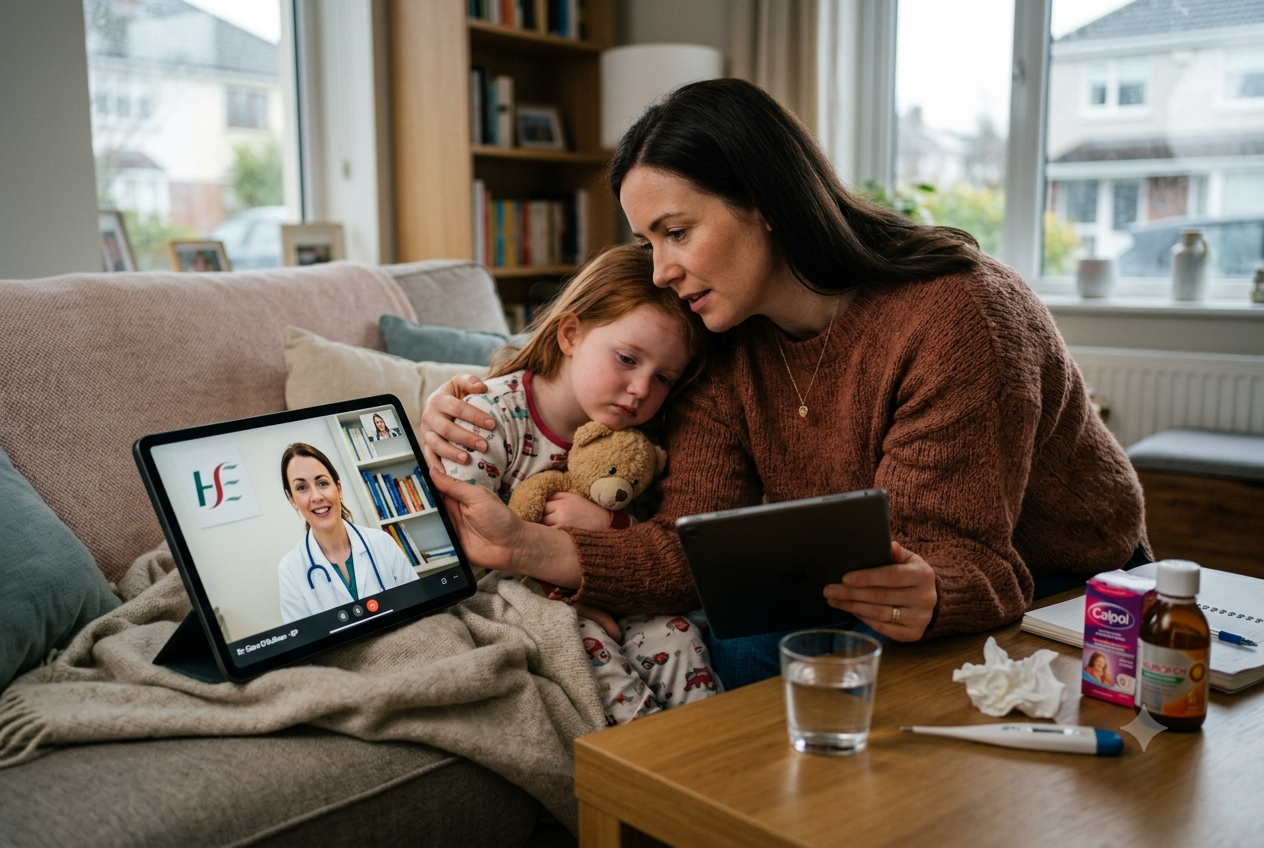
When your child wakes up with a fever, persistent cough, vomiting, or another sudden illness, your first priority is getting them the right medical care. However, arranging an in-person GP appointment can sometimes be difficult—especially during weekends, evenings, busy workdays, or when your child is too unwell to travel comfortably.
Fortunately, telehealth has transformed how families in Ireland access healthcare. Through secure online GP consultations, parents can speak with an experienced doctor from the comfort of home, receive medical advice, and, where clinically appropriate, obtain documentation such as a sick certificate for school or childcare following a medical assessment.
At GPLine.ie, consultations are carried out by doctors registered with the Irish Medical Council, giving families access to professional medical advice wherever they are in Ireland. Every consultation follows the same professional standards expected in traditional general practice, with patient safety remaining the highest priority.
If you’re looking for convenient healthcare, explore our services:
https://www.gpline.ie/services
What Is Telehealth?
Telehealth refers to the delivery of healthcare remotely using secure technology such as video or telephone consultations. Rather than travelling to a clinic, patients can consult a qualified doctor from home while receiving professional medical advice, treatment recommendations, referrals where appropriate, and follow-up guidance.
Ireland’s Health Service Executive (HSE) continues to expand virtual care services as part of its national healthcare strategy, recognising telehealth as a safe and effective way to improve access to medical care while reducing unnecessary travel and waiting times. (HSE Ireland)
For parents, telehealth offers several important advantages:
- Faster access to medical advice
- Less disruption for sick children
- Reduced exposure to other infections in waiting rooms
- Greater convenience for busy families
- Easy access while travelling within Ireland
- Support during evenings, weekends, or when local appointments are limited
Why Parents Are Choosing Online GP Consultations
Children can become ill unexpectedly. Common childhood illnesses often develop overnight, leaving parents wondering whether the child should attend school, remain at home, or be assessed by a doctor.
Instead of spending hours waiting for an appointment, many parents now choose online GP consultations because they provide quick access to professional medical advice without leaving home.
An online consultation may be suitable for many non-emergency childhood conditions, including:
- Fever
- Colds and flu symptoms
- Sore throat
- Ear pain
- Mild skin rashes
- Allergies
- Vomiting or diarrhoea (when clinically appropriate)
- Mild conjunctivitis
- Minor infections
- Follow-up advice after previous illness
The doctor will carefully assess your child’s symptoms, ask detailed questions about their medical history, current condition, and any medications they may be taking before deciding on the most appropriate next steps.
Not every child can be safely assessed remotely. If the doctor believes that an in-person examination, hospital assessment, or emergency treatment is required, they will advise you immediately.
You can learn more about our experienced doctors here:
https://www.gpline.ie/doctors
Can an Online GP Issue a Sick Certificate for a Child?
Yes—but only when it is medically appropriate following an individual clinical assessment.
A common misconception is that online doctors simply provide certificates upon request. In reality, Irish doctors must follow strict professional and ethical standards regardless of whether the consultation takes place online or face to face.
During your child’s consultation, the GP will evaluate:
- Current symptoms
- Duration of illness
- Medical history
- Severity of the condition
- Any warning signs
- Whether the child is medically fit to attend school or childcare
If the doctor concludes that your child should remain at home, they may issue an appropriate medical certificate where clinically justified.
Every certificate is based solely on the doctor’s independent clinical judgement and is never guaranteed before the consultation.
Book your online GP appointment:
https://www.gpline.ie/book-appointment
Conditions That May Be Suitable for Telehealth
Many childhood illnesses can initially be assessed safely through telemedicine.
Examples include:
Respiratory Illnesses
- Common cold
- Mild influenza symptoms
- Viral cough
- Nasal congestion
- Mild sore throat
Digestive Problems
- Mild gastroenteritis
- Nausea
- Vomiting
- Diarrhoea
- Mild stomach discomfort
Skin Conditions
- Eczema flare-ups
- Mild allergic rashes
- Insect bites
- Mild skin infections
- Childhood viral rashes
General Childhood Illness
- Fever
- Fatigue
- Mild headaches
- Seasonal allergies
- Hay fever
Some conditions may require photographs during the consultation to help the GP assess visible symptoms more accurately.
When Should You Seek Emergency Care Instead?
Telehealth is designed for non-life-threatening conditions.
Parents should call 999 or 112 immediately or attend the nearest Emergency Department if a child experiences:
- Difficulty breathing
- Blue lips or face
- Loss of consciousness
- Seizures
- Severe dehydration
- Persistent confusion
- Serious head injury
- Uncontrolled bleeding
- Severe allergic reaction
- Chest pain
- Suspected meningitis
- A baby who is unusually difficult to wake or becomes floppy
Online GP consultations should never delay emergency medical treatment.
Is Telehealth Safe for Children?
Yes—when used appropriately.
The HSE continues to expand virtual healthcare across Ireland, recognising telehealth as a safe way to improve access to care while maintaining high clinical standards. Virtual consultations are increasingly used throughout hospitals, community services, and primary care, helping families receive timely medical support without unnecessary travel. (HSE Ireland)
Experienced online GPs know that children require careful assessment. They will ask parents detailed questions, observe the child’s appearance where possible, review symptoms, and determine whether remote care is appropriate or whether an in-person examination is necessary.
Patient safety always comes first.
Ready to speak with an online GP? Visit GPLine.ie to book your consultation today